What are Vietnamese education institutions looking for? Where are investments in training and technology heading? And how can international education companies become involved? These were some of the questions behind the Worlddidac Delegation to Vietnam, which took place from 12–16 October 2026.
Over five days in Hanoi and Ho Chi Minh City, Worlddidac brought together international education providers and organisations working at different levels of Vietnam’s education system. The programme included meetings with government ministries, the Asian Development Bank, UNICEF, industry representatives, universities and vocational training institutions.
Rather than approaching Vietnam through individual business appointments, the delegation followed a wider programme. The idea was to hear directly from the institutions involved in education development, understand their needs and establish contacts that participating companies could build on afterwards.
Starting with Our Members in Vietnam
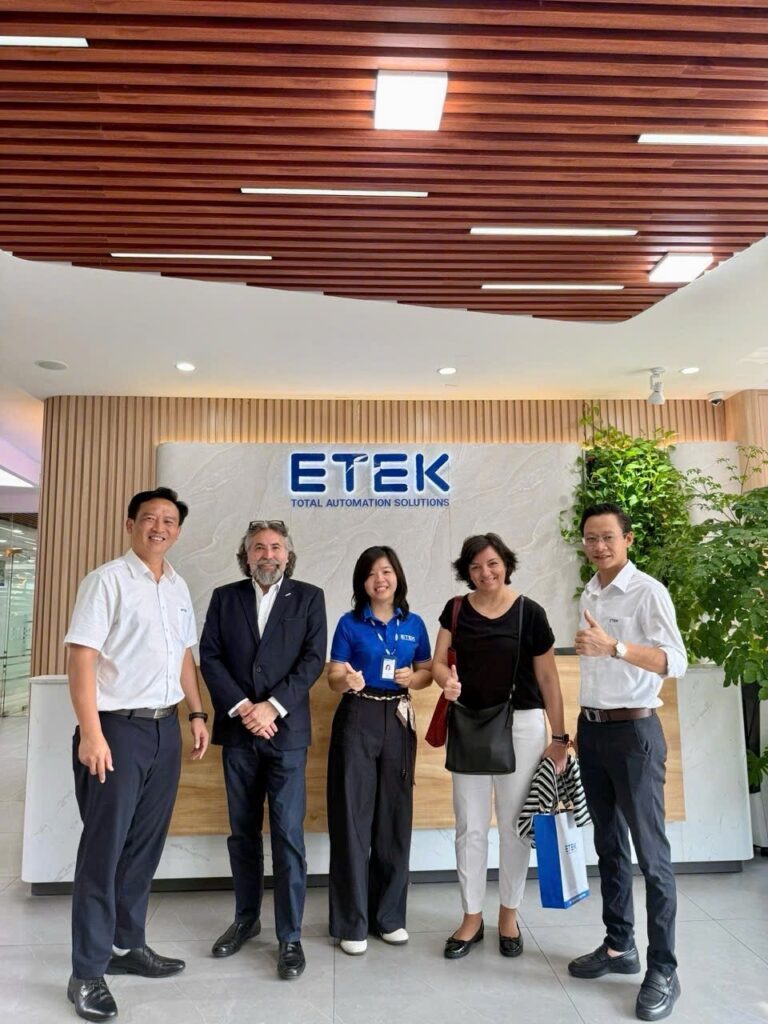
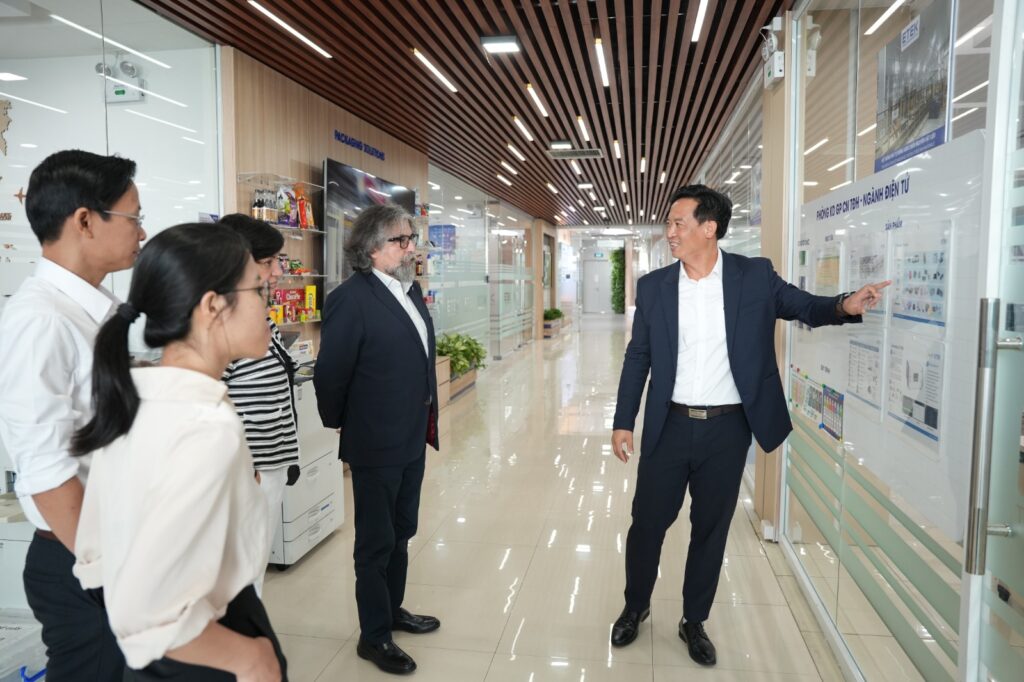
The first day in Hanoi began with visits to two Worlddidac members, ETEK Group and Nisai Learning. It was a good way to start the week, meeting companies that already know the Vietnamese market and work with educational institutions on the ground.
At ETEK, the delegation learned more about the company’s activities in technical training and industrial automation. Discussions touched on practical education, modern training equipment and the skills needed in an increasingly technology-driven industrial environment. The visit also gave international participants the chance to exchange experiences with a company familiar with local institutions and their requirements.
Nisai Learning brought a different perspective. Its activities focus on flexible online education, international learning programmes and inclusive education. Visiting both members on the same day showed how broad the education sector really is, and how different solutions can contribute to its development.
There is also a more personal value to these visits. Worlddidac members often know each other through exhibitions, online meetings or association activities. Spending time together at their own facilities creates room for conversations that are difficult to fit into a busy event schedule.
Meeting the Ministries and Vietnam’s Business Community
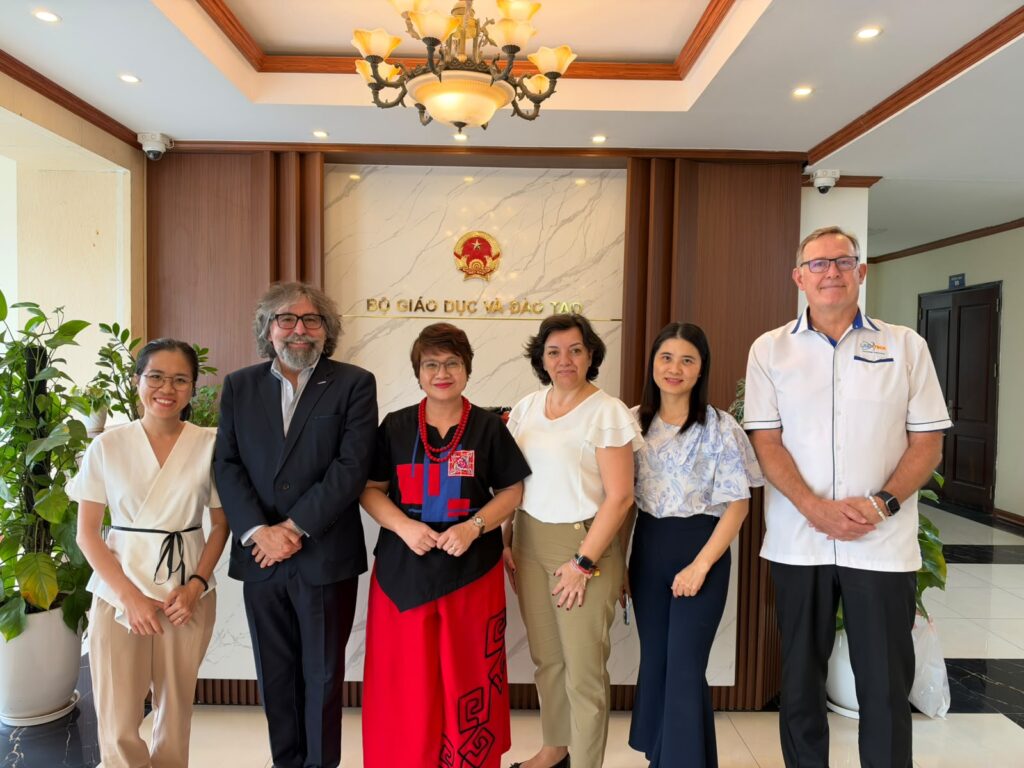
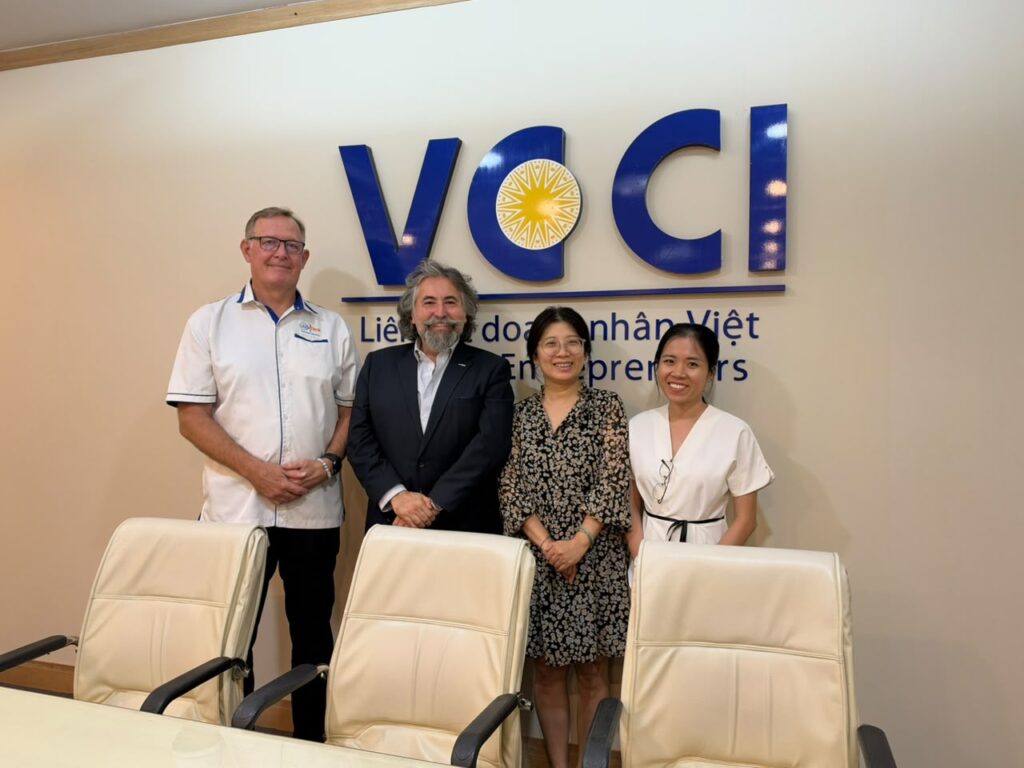
The following day took the delegation to the Vietnam Chamber of Commerce and Industry (VCCI), the Ministry of Education and Training, and the Ministry of Science and Technology.
At the Ministry of Education and Training, delegates met senior officials, including Associate Professor Nguyen Thu Thuy, Director General of the Higher Education Department. The exchange covered developments in higher education, future skills and the role of technology in teaching and learning. These subjects are directly relevant to companies supplying universities and training institutions with educational equipment, laboratories and digital learning solutions.
The meeting with the Ministry of Science and Technology brought another aspect into the discussion. Vietnam’s technological development and industrial ambitions are closely linked to the availability of qualified engineers, technicians and other skilled professionals. For the participating companies, it was important to hear how education and technological development are being considered together.
At VCCI, attention turned to the business environment. International suppliers entering a new market need to understand how local partnerships work, which companies are active in their field and where opportunities to cooperate may exist. The discussion helped connect the delegation’s educational interests with the practical business considerations of working in Vietnam.
These three meetings gave participants a useful starting point. They could hear about government priorities, introduce their companies and ask questions directly, rather than relying only on information available from a distance.ducation and vocational training interact to support the country’s long-term education and workforce development ambitions.
It has been an incredible few days in a country with tremendous potential. Vietnam is perhaps one of the fastest-growing countries in recent years, with a very ambitious plan to improve its education system – particularly technical education. During our time here, we have had the opportunity to examine the projects Vietnam intends to implement to enhance its education, as well as how it plans to allocate funds for the procurement of services and products. We have also introduced ourselves to the key stakeholders behind these initiatives. I am confident that these initial steps and visits will lead to excellent business opportunities in this remarkable country in the future.
Myriam Bonilla, CEO, EDIBON
ADB, UNICEF and the Institutions Working on Education Development
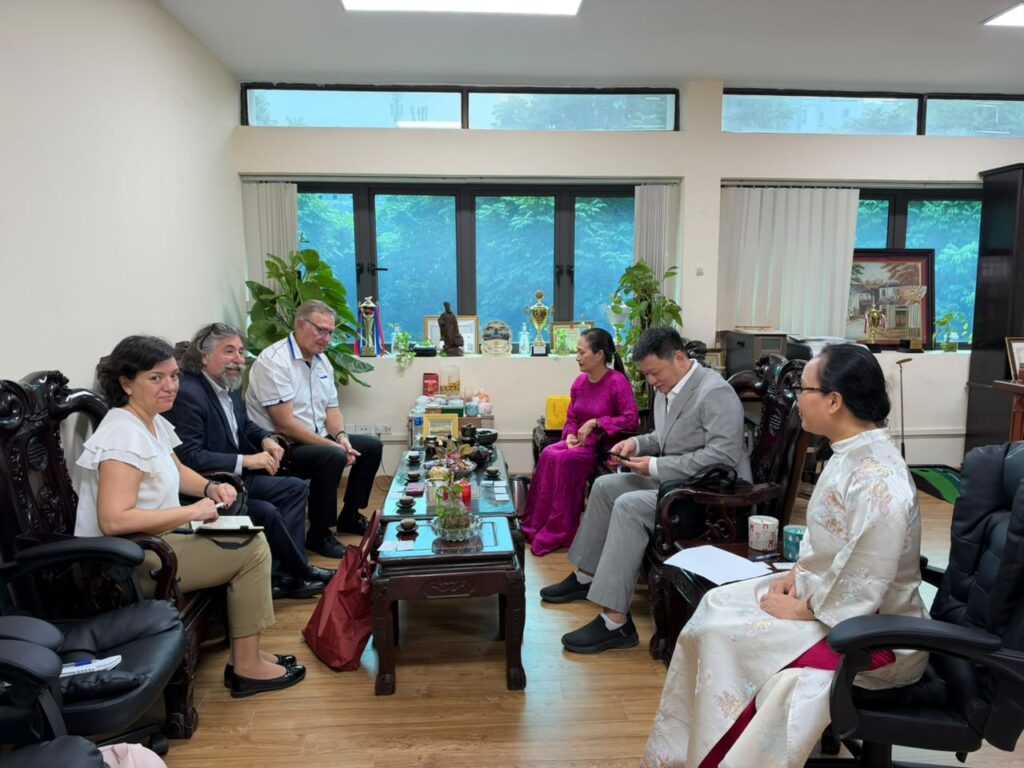
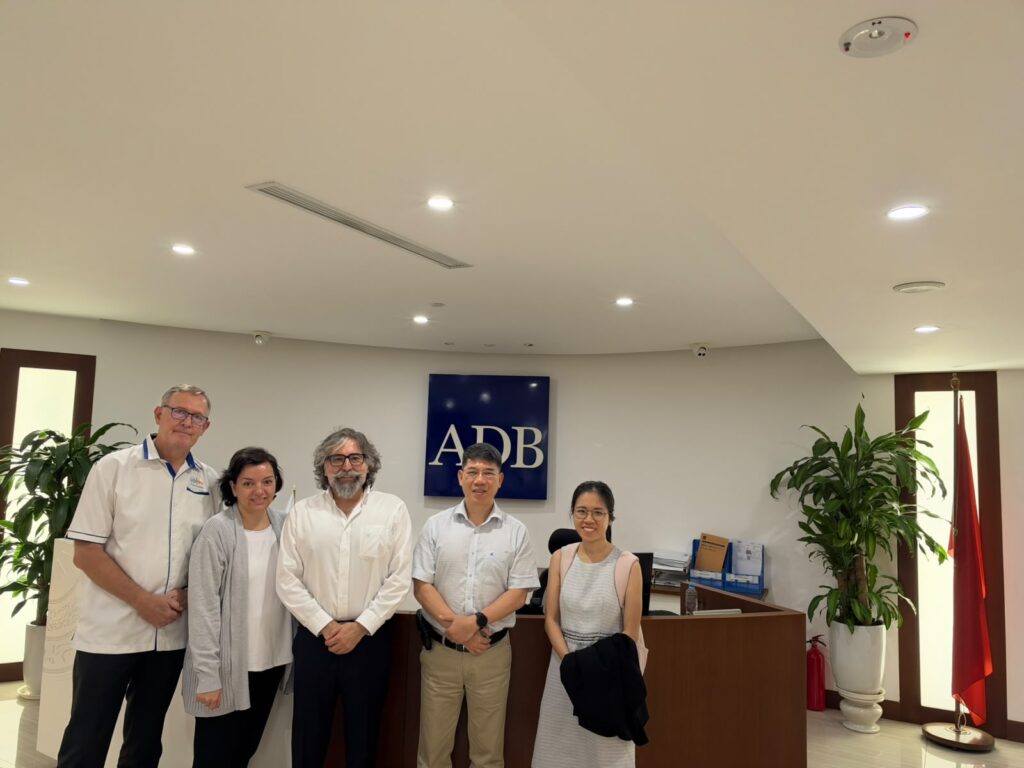
The Hanoi programme also included meetings with the Asian Development Bank (ADB) and UNICEF Viet Nam. Both organisations offered an opportunity to look at education from a development perspective, where questions of access, quality, institutional capacity and long-term investment are especially important.
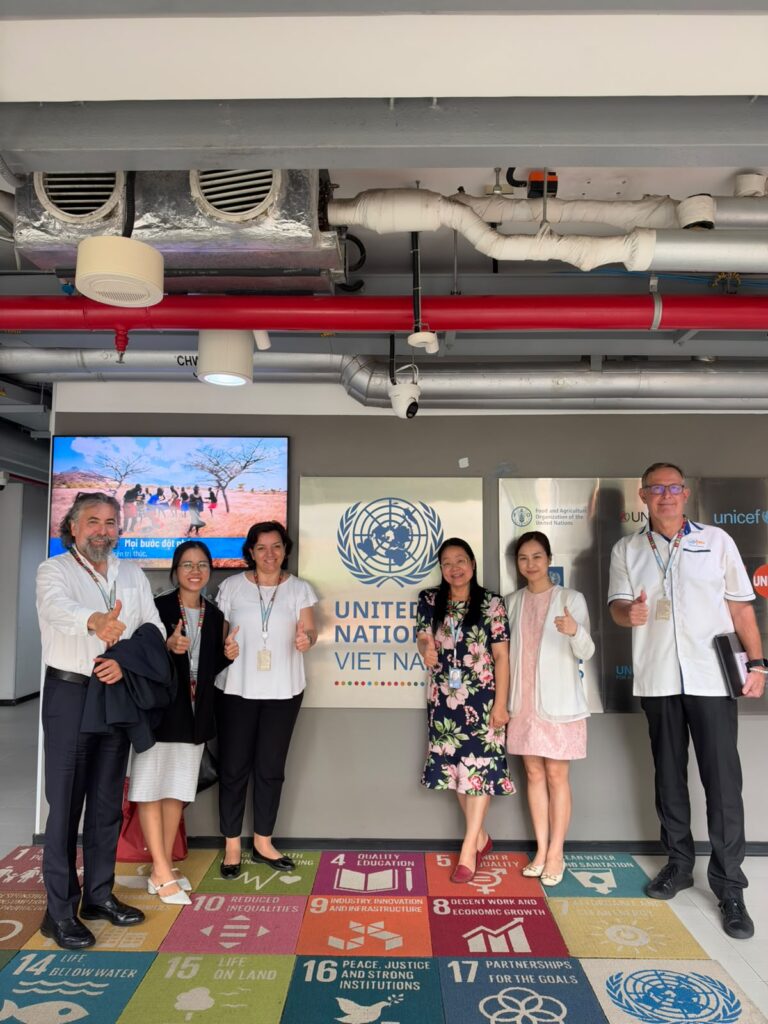
At UNICEF Viet Nam, the delegation met with education specialists, including Tara O’Connell, Chief of Education. The discussion brought attention to inclusive education and the needs of learners who may not always be reached by conventional educational approaches. With Nisai Group among the participants, the delegation also brought experience in flexible and digital learning into the exchange.
Meeting international development organisations is particularly interesting for Worlddidac members because their work often involves education systems rather than individual institutions. Understanding how programmes are developed, which challenges they address and what kinds of educational resources are needed can help companies recognise where their expertise may be relevant.
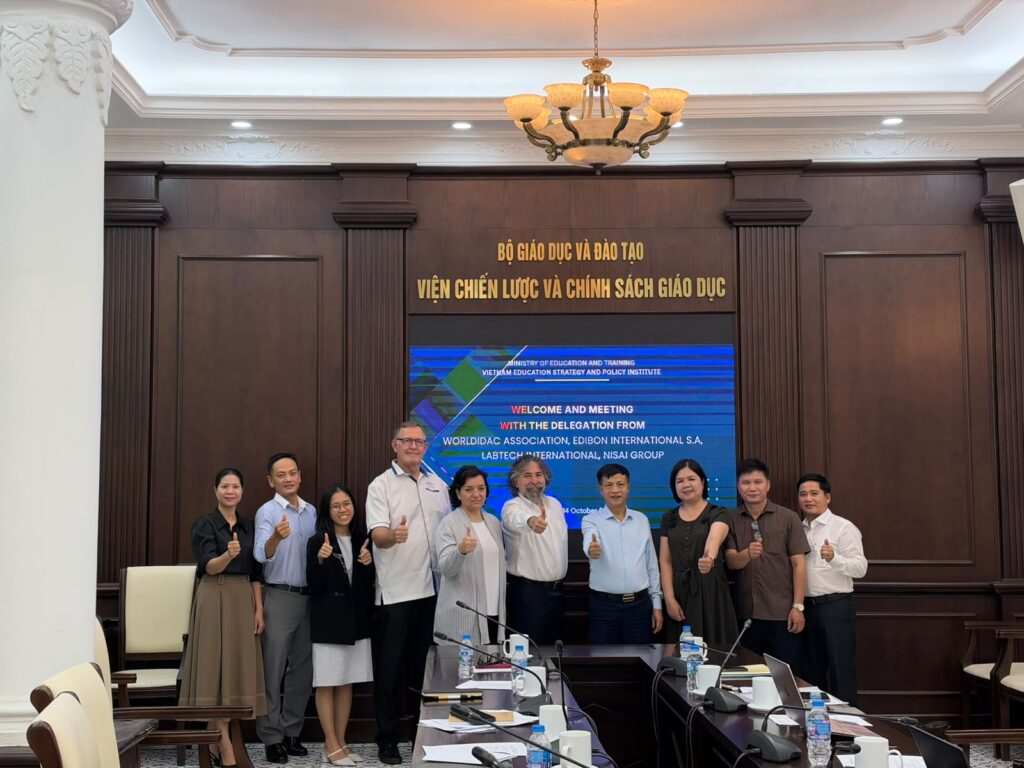
Another meeting took place at the Institute for Education Strategy and Policy, formerly the Vietnam National Institute of Educational Sciences (VNIES). Here, the delegation had the chance to look more closely at education research, policy development and the longer-term challenges facing Vietnam’s education system. The discussion connected many of the subjects raised during the ministry visits, particularly education quality, digital transformation and changing skills requirements.
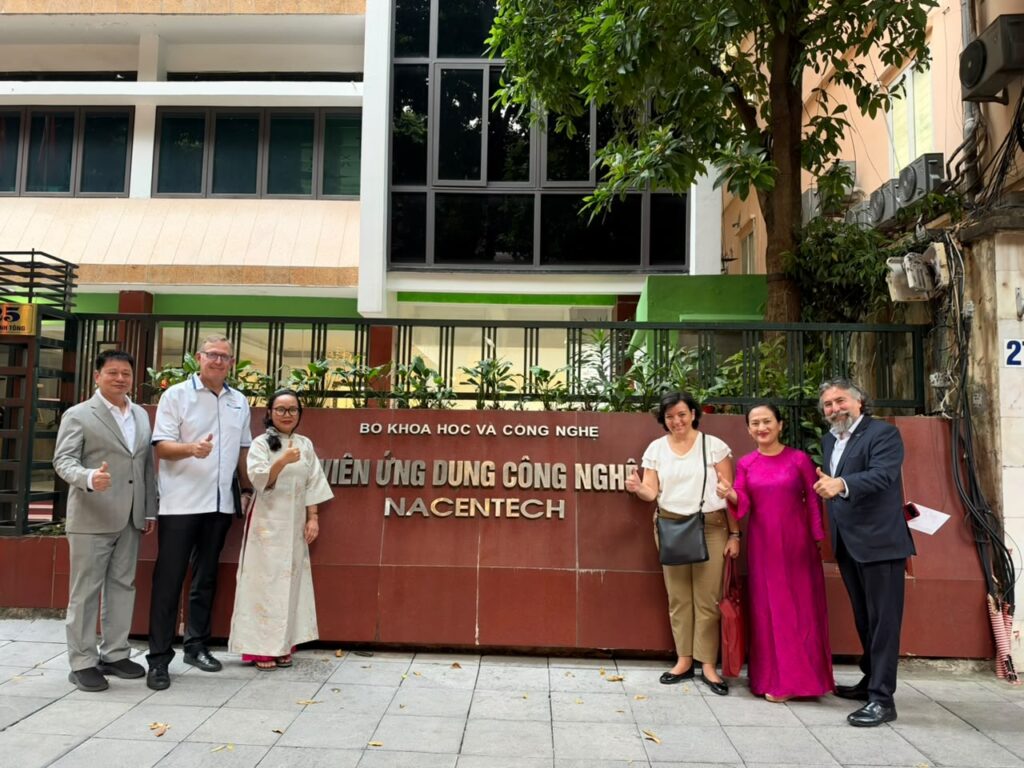
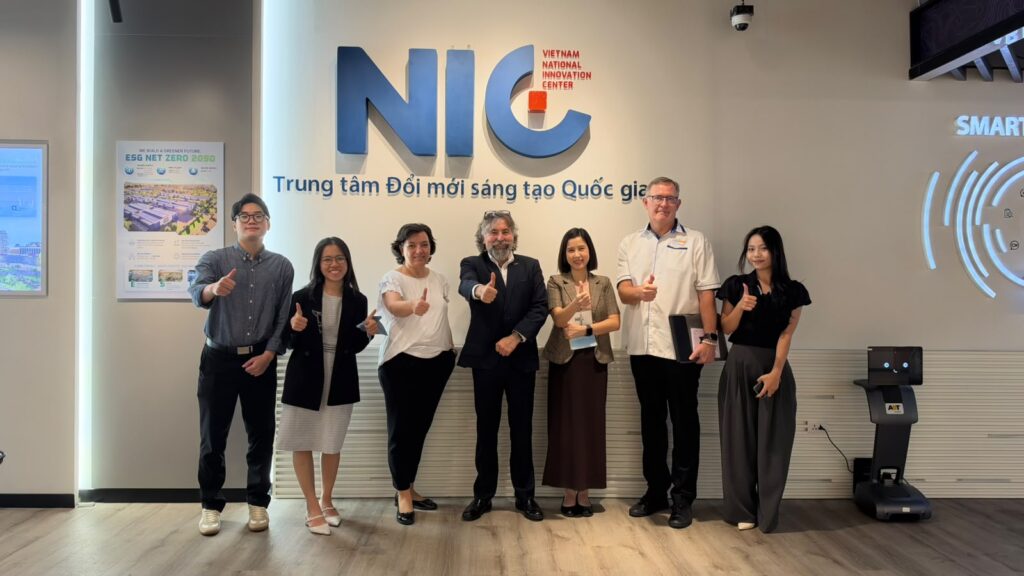
The day also included a visit to the National Innovation Center (NIC). Its work with technology, enterprises and the innovation ecosystem is closely connected to the question of how Vietnam will prepare people for new industries. For companies such as EDIBON, Festo Didactic and Labtech International, these developments are particularly relevant, as their solutions support practical technical education and the development of industrial skills.
By the end of the Hanoi programme, delegates had met organisations approaching education from quite different directions. Some were responsible for policy, others for development programmes, business connections or technological innovation. Bringing these conversations together helped participants understand how different parts of the system relate to one another.
Ho Chi Minh City: A Closer Look at Universities and Technical Training
The second part of the delegation brought participants to Ho Chi Minh City, where the emphasis shifted towards educational institutions and the practical delivery of training.
At Ho Chi Minh City University of Technology (HCMUT), part of Vietnam National University Ho Chi Minh City, the delegation met university representatives to discuss engineering education, teaching laboratories, automation and cooperation with industry. These are familiar areas for several Worlddidac members, but every institution has its own requirements, teaching methods and plans for developing its facilities.
The university visit was particularly relevant for exploring what cooperation could look like at the departmental level. Modernising a laboratory, introducing new automation equipment or developing practical learning modules involves more than choosing a product. Universities also need to consider curricula, instructors’ experience, student access and the technologies graduates are expected to use in their future careers. These are areas where international education providers can share practical experience from other institutions and markets.
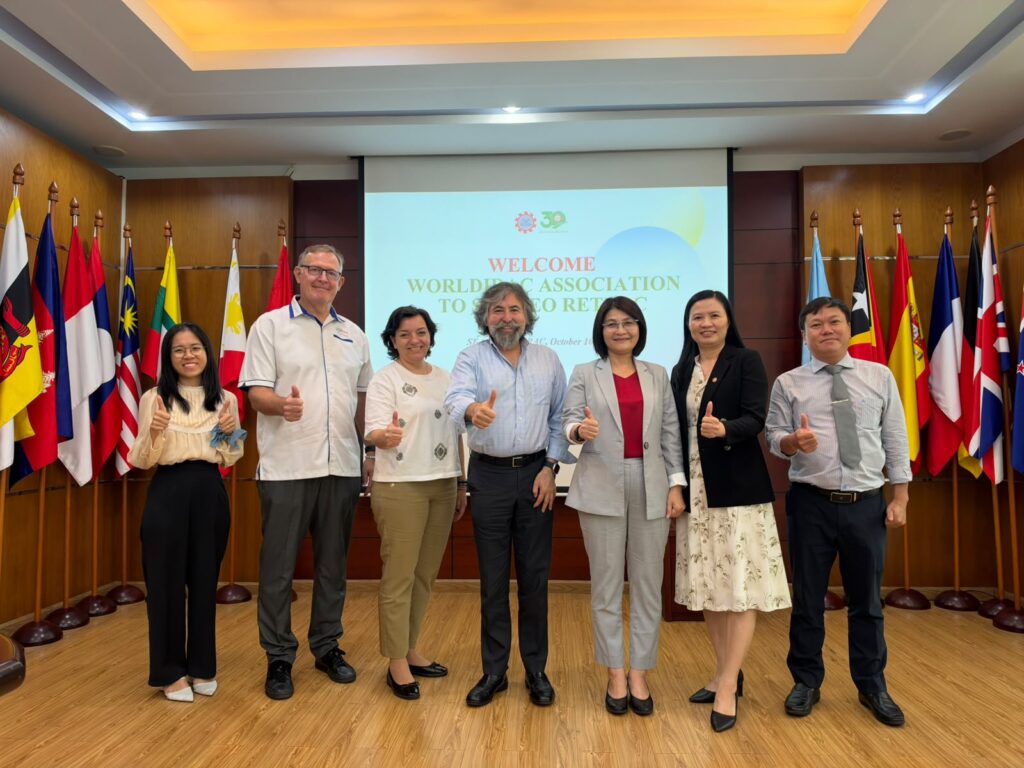
Another visit took the delegation to SEAMEO RETRAC, the regional training centre of the Southeast Asian Ministers of Education Organization. Unlike an individual university, SEAMEO RETRAC works with education professionals and institutions across Southeast Asia, with activities that include teacher development, educational leadership and international cooperation.
This made the meeting especially relevant to questions of professional development and teaching quality. As schools and universities introduce new technologies, teachers and instructors need the skills and confidence to use them effectively. Digital learning, science education and practical teaching methods offer interesting areas for further exchange between regional training organisations and Worlddidac members.
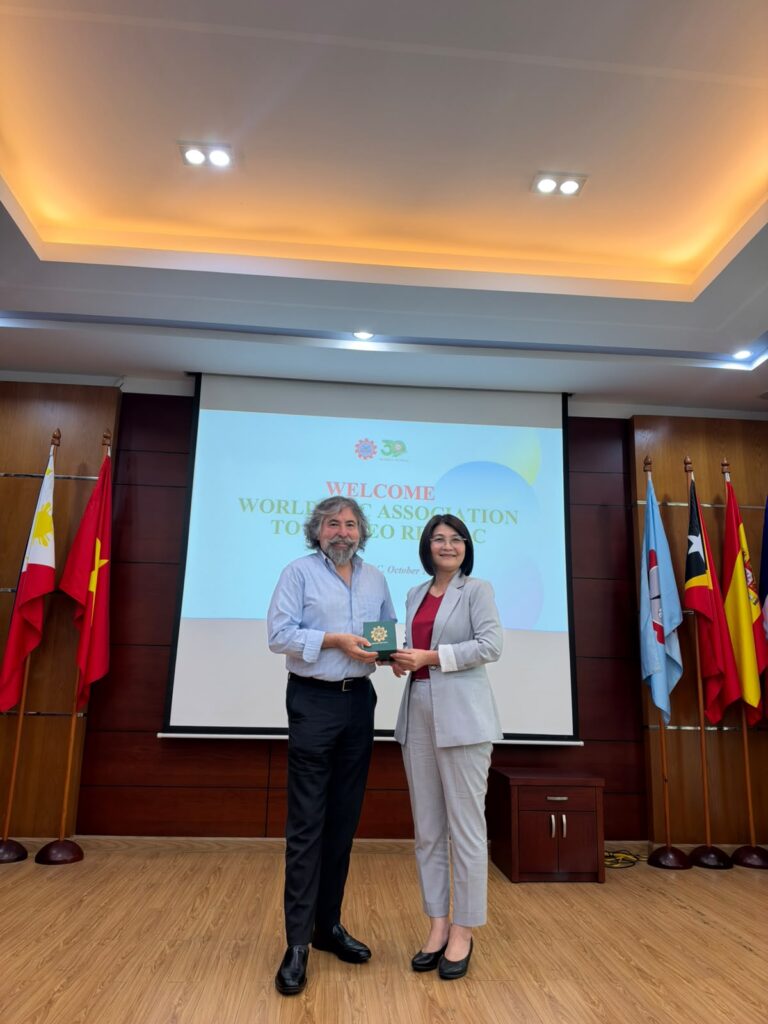
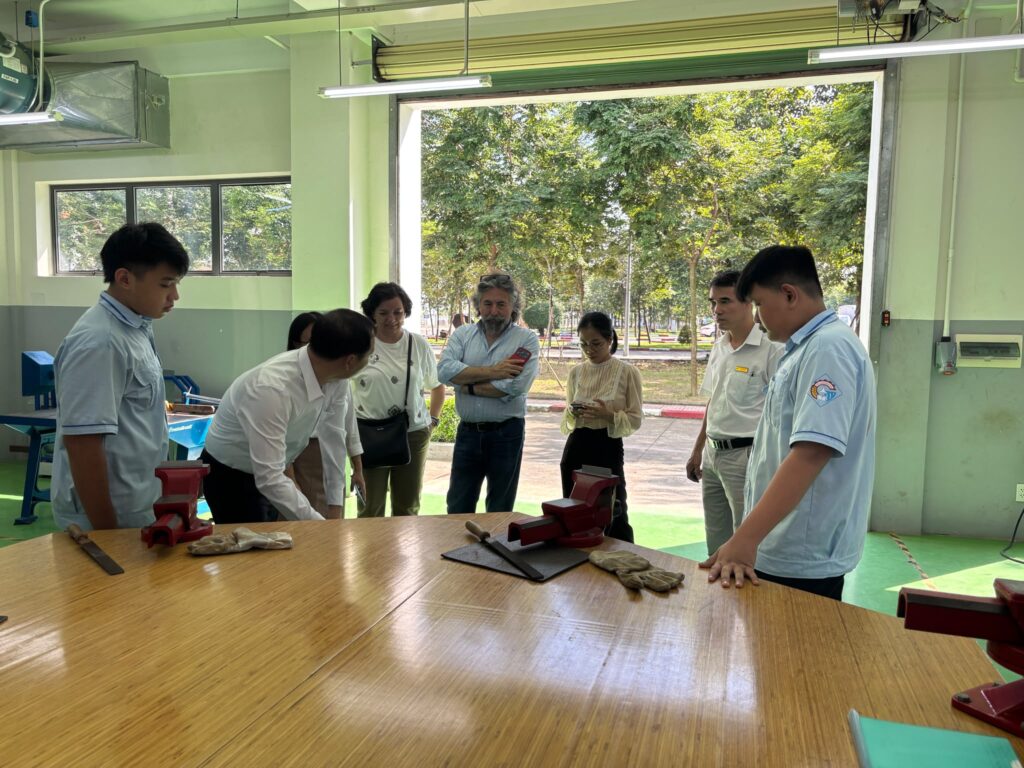
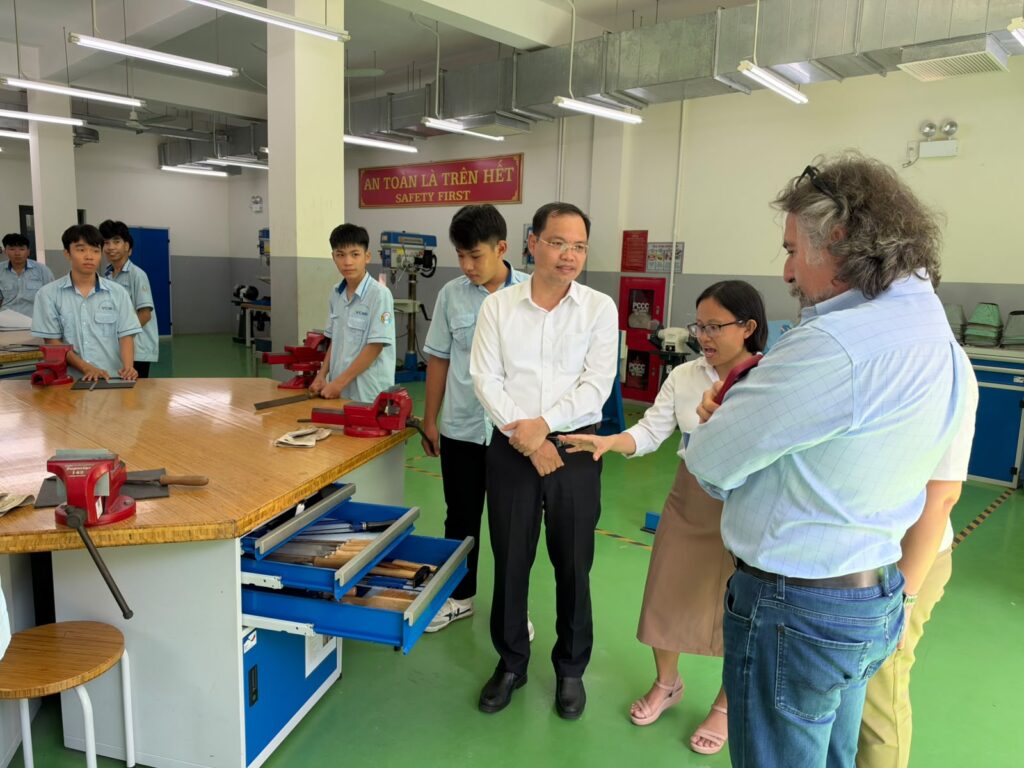
The final institutional visit was to the College of Machinery and Irrigation (VCMI) in Dong Nai Province. The college’s work in technical and vocational education, engineering and green skills provided an opportunity to look at training needs from a different angle: preparing students for practical work in industry.
Subjects of particular interest included renewable energy, automation, modern workshops and the equipment needed for hands-on training. The discussion also offered a relevant starting point for future exchanges on instructor training and the development of technical learning facilities. For international providers specialising in vocational education, understanding what colleges are already doing and where they want to develop further is an important part of identifying potential areas for cooperation.
Taken together, the visits to HCMUT, SEAMEO RETRAC and VCMI brought the delegation closer to the day-to-day needs of education and training institutions. They complemented the earlier meetings in Hanoi, where the focus had been more on national policy, development priorities and the wider education landscape.
Looking Ahead
The Worlddidac Delegation to Vietnam confirmed the strong interest in international education solutions and the opportunities for cooperation with local institutions. The contacts established during our visits provide a good starting point for companies looking to develop their presence in this market.
Building on this experience, Worlddidac is planning another delegation to Vietnam towards the end of 2027. We invite education and training companies to join us, benefit from our growing network of institutional contacts and explore opportunities in this promising market.
Interested in joining? Contact us at info@worlddidac.org to learn more.
Ready to Join a Future Delegation?
Our next delegations will continue to explore opportunities where global education meets regional relevance. If you want to connect directly with public agencies, funding institutions, and key education leaders — Worlddidac delegations are the place to be.
Learn more about our past events and the strategic value of joining a delegation